

What Are Soffits and Fascia, and Why Do They Matter for Local Homes?
Soffits and fascia are two key elements found at the edge of nearly every roof, yet many residents aren’t quite sure what they do. In any Victor, NY home, these components protect roof structures, improve attic ventilation, and help maintain the building’s exterior condition. Without them, local houses would be more vulnerable to water damage, pests, and seasonal weather challenges.
- Soffits are the horizontal boards found underneath the roof’s overhang, running from the edge of the roofline back to the exterior wall.
- Fascia refers to the vertical band, usually a board, that caps the edge of the roof where the gutters are attached.
Both work together to shield roof edges and attic spaces from outdoor elements while also contributing to a finished, appealing look.
How Do Soffits Help with Roof and Attic Ventilation?
Soffits serve as a critical ventilation pathway for attics. These panels typically include vents—either continuous or individual—that allow fresh air in, supporting proper airflow through the attic space.
In climates like those in Victor, soffit vents have several advantages:
- Preventing heat buildup in summer, which can reduce cooling costs and help protect roof shingles from excess heat.
- Allowing moist air to escape in winter, reducing risk of condensation that can lead to mold growth or attic insulation damage.
- Helping prevent ice dam formation by keeping the roof deck cooler, a common issue during freeze-thaw cycles in the region.
A common misconception is that sealing the attic tightly keeps homes cozier, but in fact, blocked soffit vents lead to moisture problems and even shorten roof life.
What Role Does Fascia Play in Protecting Homes?
Fascia boards act as a barrier between the outdoor environment and the vulnerable edge of the roof decking. This vertical component supports the lower edge of the roof tiles or shingles and also anchors the home’s gutters.
For local households, fascia boards:
- Prevent wind-driven rain from infiltrating and damaging rafters, eaves, and the attic.
- Provide a secure, level surface for mounting gutters, which channel water away from the foundation during heavy rain or spring thaw.
- Deter birds, squirrels, and insects from finding entry points into attics or wall cavities—especially valuable in neighborhoods bordered by mature trees.
Failure of fascia boards due to rot, pests, or gutter damage can expose roofing materials and interior spaces to escalating moisture issues.
How Do Victor Homeowners Know If Soffits or Fascia Need Attention?
Not every issue is obvious from the ground, but there are signs homeowners should watch for:
- Peeling paint, soft spots, or visible sagging at roof edges can indicate water infiltration or material failure.
- Mold or mildew present on soffit panels often means moisture is trapped and ventilation is impaired.
- Sagging or detached gutters may signal that fascia behind them has weakened or deteriorated.
- In winter, icicles forming specifically around the eaves may be a clue that soffit or fascia ventilation isn’t working as intended, contributing to ice dam buildup.
Routine seasonal checks—especially after windstorms, heavy rain, or snow—help catch potential problems early.
Can Homeowners Clean or Maintain Soffits and Fascia Themselves?
Basic upkeep is usually safe for those comfortable with a ladder and standard tools. Here are some practical steps:
- Remove debris from gutters to minimize backflow and rot at the fascia.
- Wipe down soffits and fascia with mild soap and water to remove dirt and discourage mold growth.
- Check that soffit vents remain unobstructed by insulation, nests, or paint.
- Inspect for peeling paint or cracks; promptly repaint or seal exposed wood to protect against moisture.
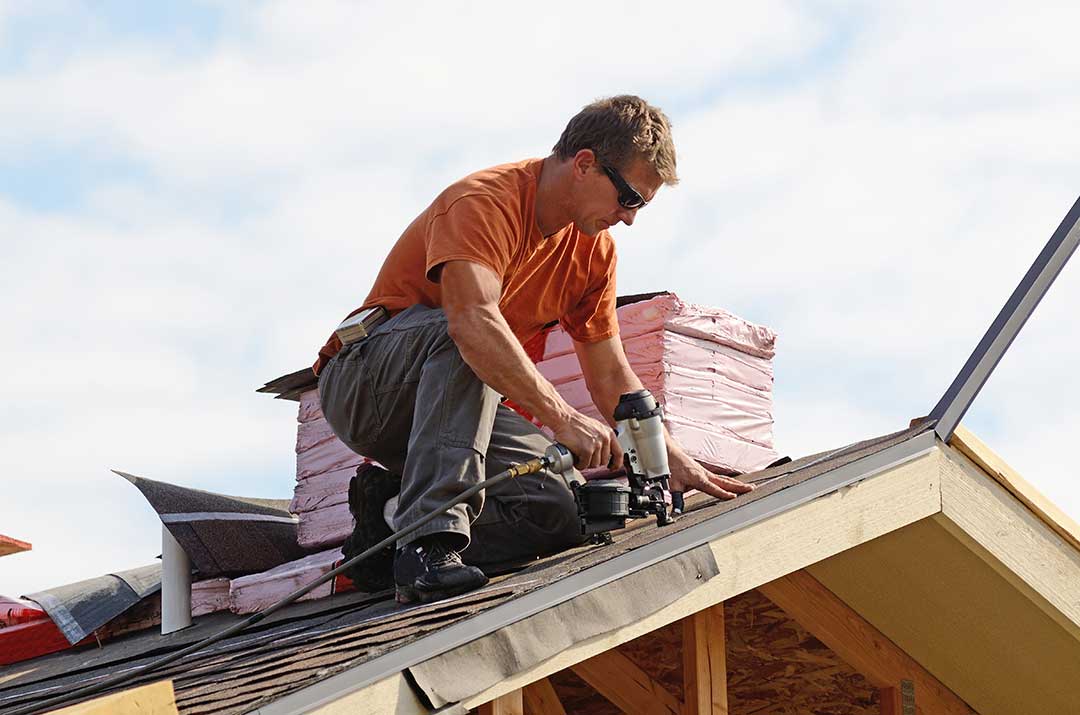
Replacement or repair of these components can be more involved, especially if rotted wood or pests are present, so caution and safety should guide any more advanced interventions.
What Materials Are Commonly Used in Victor for Soffits and Fascia, and How Do They Perform?
Local homes feature soffits and fascia made from a range of materials:
- Wood: Traditional material, visually classic. Susceptible to rot unless regularly painted or sealed; more common in older homes.
- Vinyl: Widely used for soffits; resists moisture, requires minimal maintenance, and available in vented or solid versions.
- Aluminum: Durable and low-maintenance, used for both soffits and fascia. Withstands local weather extremes very well.
- Composite: Newer, engineered products blend wood fibers with resin for enhanced durability, often seen in newer construction.
Each material choice affects long-term upkeep needs and how well exterior trim stands up to seasonal challenges like humidity, snow loads, and UV exposure.
Are There Local Considerations That Affect Soffit and Fascia Longevity?
Climate and housing style both play a role. The region’s marked seasons mean soffits and fascia are exposed to moisture, ice, high winds, and intense summer sun.
- Homes with mature landscaping or large trees often see more leaf and debris accumulation in gutters and on soffits.
- Wind-driven rain and drifting snow can force moisture into small gaps, making regular inspection all the more important.
- Historic or custom architecture may have uniquely shaped or detailed rooflines, requiring tailored maintenance approaches or materials.
During upgrades or repairs, matching existing trim profiles and colors helps maintain the neighborhood character valued by residents.
What Are Common Myths or Overlooked Facts About Soffits and Fascia?
Many homeowners assume these elements are purely decorative or straightforward to ignore—but their roles are deeply functional.
- Soffit and fascia trim that appears intact from the ground can still harbor hidden rot or pest infestation, which means a closer inspection is sometimes warranted.
- Painting or covering over soffit vents can interrupt attic airflow, leading to bigger problems down the line.
- Replacing gutters without evaluating underlying fascia condition may lead to repeat issues with leaks and detachment.
Both soffits and fascia are more than mere trim: they’re a first line of protection against many common issues local households face across the seasons.
