

Why Should You Prepare Your Roof Before Leaving Victor, NY for Vacation?
Preparing your roof before a vacation is a smart measure, especially in Victor, NY, where weather changes and seasonal storms are common. Taking steps to check and secure your roof can prevent leaks, water intrusion, or unexpected damage while you’re away, reducing the risk of costly surprises when you return. For local residents, it means peace of mind that your home is protected during your absence.
What Are the Biggest Risks to My Roof While I’m Away?
Even when homeowners are not present, roofs in the city can face several risks:
- Summer storms or heavy winds can loosen shingles.
- Clogged gutters often overflow, causing water to damage roof edges or siding.
- Tree limbs can break and land on the roof.
- Small leaks undetected before you leave can quickly worsen.
Many of these issues may go unnoticed if a home is empty, making early prevention crucial.
Which Roof Issues Should I Check for Before Leaving?
Start with a visual inspection of areas most prone to trouble:
- Look for missing, curled, or broken shingles, especially after recent storms.
- Scan for granule loss from asphalt shingles, which can indicate aging or weakness.
- Inspect flashing around chimneys, skylights, and vents for any gaps or shifting.
- Check attic ceilings for dark spots, damp patches, or signs of mold.
If you’re comfortable on a ladder, also look for debris buildup in the valleys and clear out leaves or branches. Many homeowners in Victor prefer to do these checks regularly because seasonal debris can accumulate quickly under maples and oaks common in local neighborhoods.
How Should I Handle Gutters and Downspouts?
Addressing gutters is a direct way to prevent interior water issues:
- Clean gutters of all leaves, twigs, and granules.
- Ensure water can flow freely through downspouts and away from the foundation.
- Look for loose sections or gaps between the gutter and fascia.
Blocked gutters are a frequent cause of water damage in area homes, particularly after the spring and fall when organic debris builds up in the system.
Should I Worry About Trees Near My Roof?
Overhanging limbs can scratch shingles, clog gutters, or pose a falling hazard during a storm. Trimming branches several feet away from the roof’s edge cuts down on risks significantly.
In neighborhoods with mature trees, it’s common for squirrels and birds to use tree lines for access, and unchecked growth can create easy pathways onto your roof. Removing overhanging branches before a trip helps reduce both physical and animal-related hazards.
How Can I Make Sure My Roof Stays Safe During a Storm If I’m Not Home?
To avoid leaving your roof vulnerable:
- Secure or store away loose outdoor furniture and décor that could blow onto the roof.
- Close windows firmly to prevent rain from being driven in by wind.
- If your roof has previously needed repairs, double check those spots for growing cracks or weaknesses.
During Victor’s storm season, unpredictable summer downpours or high winds may happen suddenly. Extra care taken before leaving can help minimize risks from weather events you can’t predict or respond to quickly while away.
What Should I Do About Existing Leaks or Water Stains?
Any known leak, no matter how small, should be addressed before leaving:
- Use waterproof roof sealant for minor cracks or exposed nail heads (if this aligns with your level of DIY comfort).
- Place a bucket or absorbent material in the attic under any drip to prevent further interior damage.
- For active leaks or substantial damage, postponing your trip or asking a neighbor to monitor the situation can prevent more severe problems.
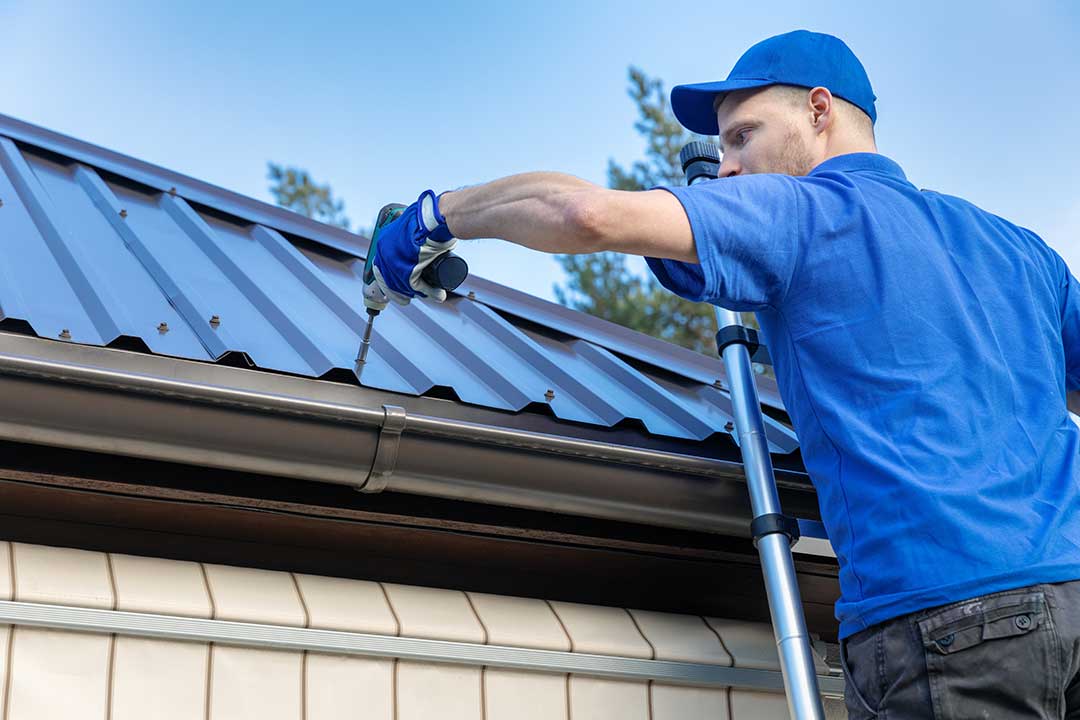
Ignoring a small problem is the easiest way for it to grow, and unattended leaks almost always cause greater issues later.
What Simple Preparations Help Prevent Critters From Getting In?
Roof gaps, soffit vents, and damaged fascia boards can become entry points for birds, squirrels, or bats if undetected. These intrusions are more likely if a home sits empty for several days:
- Check that all attic vents are screened and intact.
- Inspect eaves and roof edges for holes or loose panels.
- Address gaps along the ridgeline or under lost shingles.
Preventing animal intrusion is much simpler and less costly than removing an active nest or dealing with droppings after a trip.
Should I Notify Anyone Before Leaving?
Letting a trusted neighbor know you’ll be away adds an additional layer of protection for your property. If a significant weather event does arise, they may notice an obvious problem earlier, such as fallen branches or water pooling at the edge of your roof. This is particularly useful during periods of frequent storms or power outages in the city.
What Common Mistakes Should I Avoid?
Residents often forget to:
- Inspect the roof from different angles, missing hidden trouble spots from the ground.
- Double check attic or upper floor ceilings for stains or drips.
- Secure garbage lids, which can attract pests or create blowing debris in strong winds.
- Take photos of the roof’s condition before leaving, which can be handy for insurance or comparison on return.
Overlooking any of these can make it harder to identify new issues or prove pre-existing conditions if a claim ever becomes necessary.
Are There Local Weather Concerns I Should Plan For?
In Victor, sudden storms, heavy rainfall, and wind gusts are most common from late spring through early fall, while winter brings ice and melting snow that can sometimes back up under shingles. It’s wise to review the local forecast before leaving and plan accordingly—covering vulnerable areas or pausing travel in case of a pending severe weather warning.
Making mindful checks and small preparations tailored to the community’s climate and common roof types can go a long way in avoiding unpleasant surprises and keeping your home safe until you’re back.
