
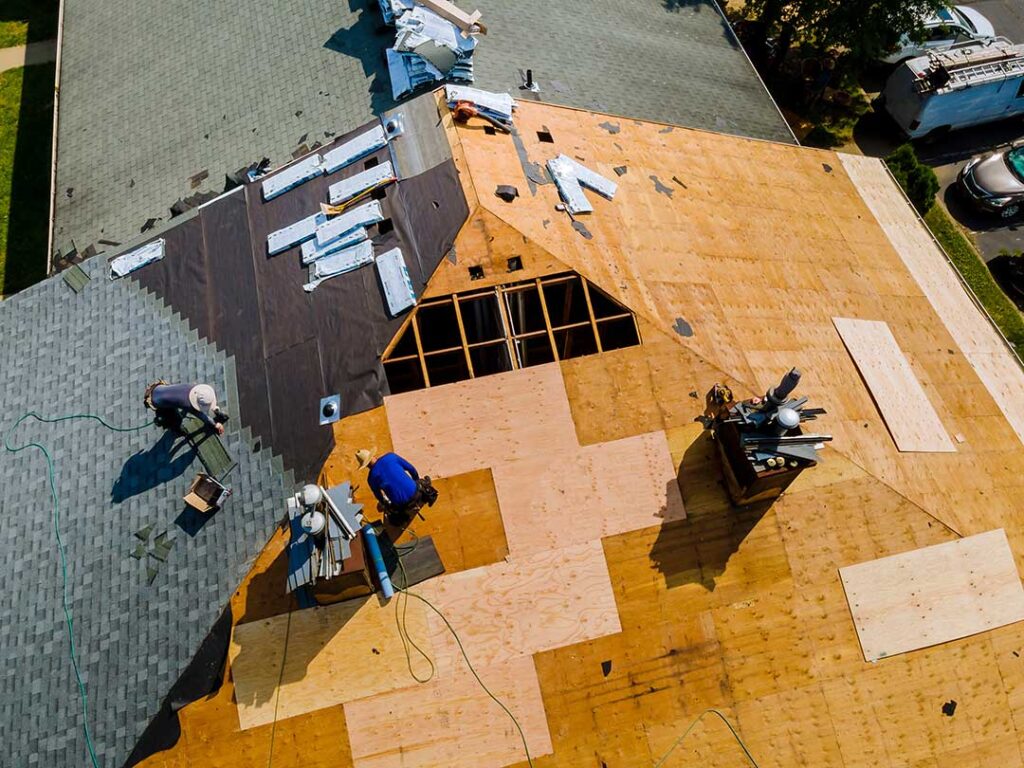
What Is a Roof Cricket?
A roof cricket is a small, peaked structure installed on the high side of a chimney or at intersections where water might otherwise pool on a roof. Its main purpose is to redirect water away from vulnerable areas to prevent leaks and moisture damage.
Think of it as a built-in water diverter. Whenever a roof meets a vertical surface, such as a tall chimney or an intersecting wall, water running down the roof can get trapped behind the structure. Over time, standing water can lead to leaks, wood rot, or even ice dams in winter. The cricket acts like a miniature ridge that splits and sends water safely around the obstacle.
Why Are Roof Crickets Especially Important in Victor, NY?
Roof crickets are particularly beneficial for homes in Victor due to the area's seasonal weather cycles. Winters here bring heavy snow and frequent freeze-thaw cycles, while spring and summer storms can deliver intense rainfall within a short time.
Without crickets, melting snow or driving rain can accumulate behind chimneys or at roof transitions.
- In winter, this trapped water may freeze, expanding gaps and causing ice dams that force water under shingles.
- In rainstorms, the lack of effective water diversion increases the risk of leaks and long-term structural moisture damage.
For area households with older masonry chimneys or low-slope roofs—a common feature in local housing—roof crickets provide cost-effective, lasting protection against the types of water problems Victor residents encounter most often.
What Parts of a Roof Need a Cricket?
Crickets are most often installed behind large chimneys located near the ridge (top) of a roof, but they may also be used anywhere water is prone to pooling or collecting. The local building code for Victor generally requires a cricket behind any chimney wider than 30 inches to ensure safe water drainage.
Other possible locations include:
- The intersection of two roof slopes forming a wide ‘valley’
- Behind dormers that interrupt the slope of a roof
- Any large object protruding near the middle or upper third of a roof
It's common for older homes in the city to lack crickets because building standards have evolved. Adding a cricket during re-roofing is a straightforward way to bring an older roof up to modern standards.
How Does a Roof Cricket Actually Work?
A roof cricket is shaped like a miniature gable. Its ridged design starts at the back edge of the obstruction (like a chimney) and slopes downward to both sides. This forms a “V” or “A” shape, guiding water around the base.
Construction usually involves roof framing and waterproofing materials:
- Wood framing is covered by a waterproof membrane
- Flashing is installed where the cricket meets the vertical surface and roof
- The same shingle or roof covering is applied on top
Proper installation is essential. Crickets must match the roof’s slope, especially in climates where snow needs to move easily. A poorly built cricket can trap debris, causing the very leaks it is meant to prevent.
Common Misconceptions About Roof Crickets
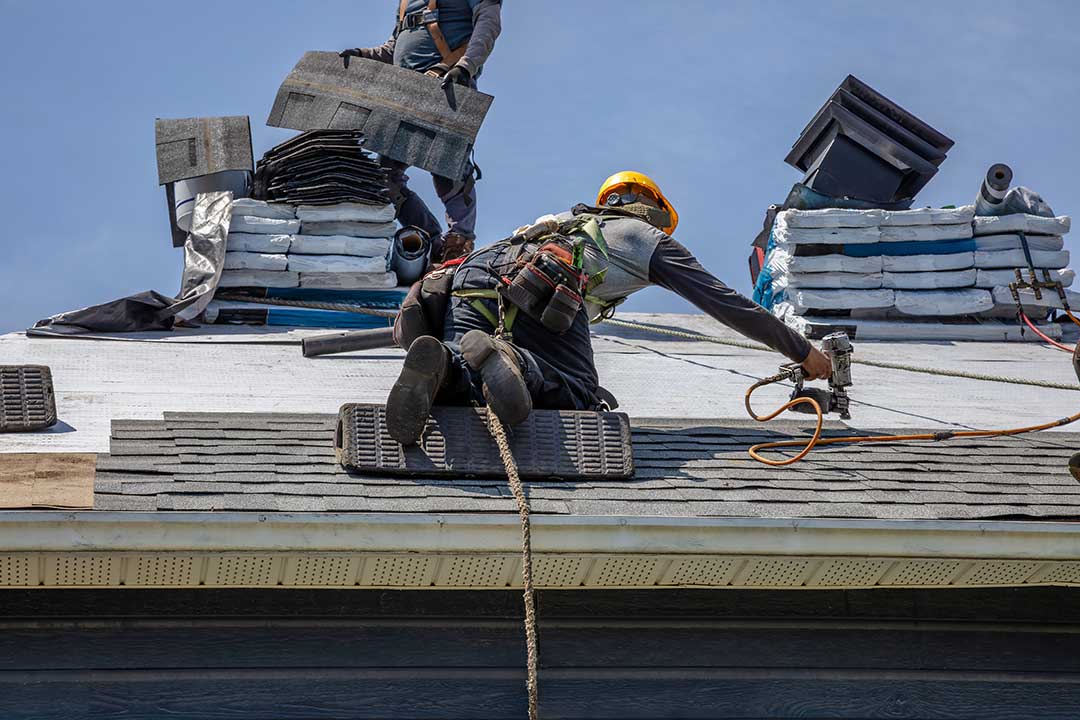
Some homeowners believe that if a chimney has flashing, a cricket isn’t needed or that crickets are only for very large roofs. The reality is that flashing and crickets serve different—though complementary—purposes. Flashing creates a watertight seal at point of contact, while the cricket handles the larger problem of water or snow moving around the structure.
Another misconception is that crickets are strictly preventive and only needed if a roof has leaked before. In practice, installing a cricket during roof replacement is best, as it is harder and costlier to add one after water damage has occurred.
What Can Happen If a Roof Cricket Is Missing?
Without a cricket, residents may notice signs of water infiltration over time—paint peeling near the chimney, damp ceiling spots, or even visible leaks during storms. During the snowy Victor winters, the risk amplifies; water trapped behind a chimney will freeze and thaw repeatedly, loosening roof materials and eroding mortar joints on masonry.
Other consequences include:
- Accelerated roof deterioration near roof-to-chimney transitions
- Growth of moss or algae where water lingers
- Hidden rot in the roof deck or supports, which can lead to sagging or costly repairs
Regular inspection for water spots and ensuring proper roof maintenance are always advised for home safety.
When Should Homeowners Consider a Roof Cricket?
Anytime an area household decides on a new roof, plans major chimney repairs, or experiences leaking in the ceiling near a roof projection, a cricket should be part of the discussion. It’s an especially valuable addition if the home has:
- A sizable chimney or other large roof projections
- Lower-slope roofing where snow or rain can pool
- Previous problems with ice dams or roof leaks
Crickets are not a modern luxury but a time-tested solution for specific water management needs that reflect the climate and housing styles found throughout the city.
