
What Are Roof Valleys and Why Do They Fail?
Roof valleys are the seams where two roof slopes meet, channeling rainwater and snowmelt safely toward your gutters. In Victor, NY, the frequent mix of rain, snow, and freeze-thaw cycles puts valleys under continuous stress. Over time, this exposure makes them one of the most vulnerable parts of a roof—especially in the transition seasons when snow melts and refreezes.
A valley can fail for several reasons: age-related wear, poor installation, damage from debris, or simply the local climate working its way into small weaknesses. Recognizing problems early helps prevent leaks and water damage inside your home.
What Does a Failing Roof Valley Look Like?
Visible signs are often the first clues that something isn’t right. In Victor, storms and rapidly changing temperatures can amplify these problems.
Some signs local residents may notice include:
- Shingles that are curling, cracked, or missing near the valley area
- Roofing granules collecting in gutters, especially after heavy rain or melting snow
- Stains or discolored streaks along the seams of the roof
- Rust, holes, or visible deterioration on metal flashing in the valleys
- Debris build-up—like leaves or twigs—that seems to “catch” in the same areas year-round
These symptoms often signal hidden issues below the surface, especially if the valley is not easily accessible from the ground.
Why Are Roof Valleys So Vulnerable in This Region?
Victor’s freeze-thaw cycles are especially problematic for roof valleys. Water from melting snow or ice often pools in valleys. When temperatures drop at night, trapped moisture freezes and expands, pushing apart shingles and flashing. Over a single winter, this can open up small gaps. Over several seasons, these gaps may allow water to reach the wood decking below.
Homes with overhanging trees or that experience drifting snow deposits may see even more debris and moisture in roof valleys, further increasing the risk.
Wind-driven rain is another regional challenge. Wind can drive rain sideways under shingles where two slopes meet, especially during spring and autumn storms. This pattern places extra pressure on valleys compared to flatter or isolated parts of the roof.
How Can Homeowners in Victor Safely Inspect Roof Valleys?
The safest view is usually from the ground or a secure attic space—especially during icy or wet conditions common in the city. Use binoculars to check for:
- Sagging, uneven, or “sunken” lines where two slopes meet
- Discoloration just below valleys on interior ceilings, especially after storms
- Shingle granules at downspouts, possibly accompanied by small fragments of roofing material
If accessing the attic, look for pinpoints of daylight or signs of moisture after a snowy or rainy day.
Never attempt to walk directly on roof valleys, since these areas often have the weakest support if a problem already exists.
What Happens If Valley Problems Are Ignored?
Small leaks in valleys rarely stay small. In Victor, even minor valley leaks can quickly lead to:
- Stained or peeling paint on nearby walls and ceilings
- Musty smells, indicating hidden moisture or mold
- Wood rot in deck boards or supports beneath the valley
- Ice dams in winter, worsening the original problem
Ignoring these early warnings may result in expensive water damage—sometimes far from the visible location of the leak.
Are All Roof Valleys Built the Same Way?
Not all roofs in the community use the same valley design, and that makes a difference. Three common types found locally include:
- Open valleys, where metal flashing is exposed in the “V” and water runs over it
- Closed valleys, where shingles completely cover the valley’s seam, creating a more uniform appearance
- Woven valleys, which interlace shingles from both slopes through the channel
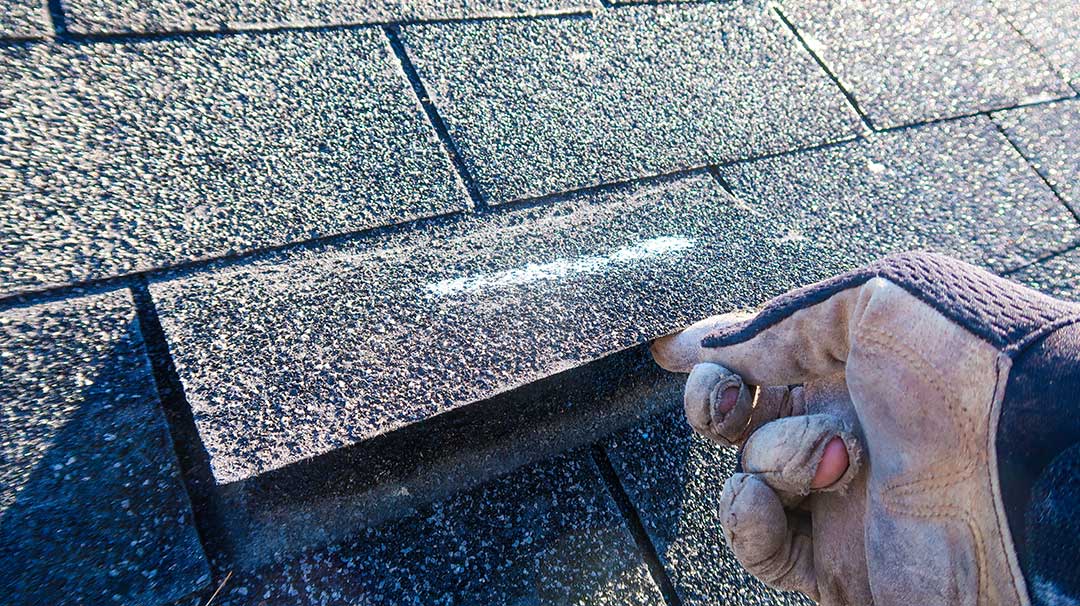
Each has unique strengths and fail points. Open valleys make it easier to spot issues like rust or perforation, whereas closed and woven valleys may hide problems until a leak is present indoors. Residents with older or more complex roofs should pay special attention to where larger roof surfaces meet, as these valleys handle the most runoff.
What Common Mistakes Can Lead to Valley Leaks?
Some frequent explanations for valley troubles seen in the area include:
- Using non-galvanized or uncoated metal flashing, which corrodes quickly in damp or salty air
- Overlapping shingles incorrectly, creating “reverse laps” that funnel water underneath instead of over the roof’s top layers
- Failing to clear debris regularly, allowing damp materials to hold water against the roof and encourage rot
- Inadequate underlayment, which is vital in a climate that regularly freezes and thaws
During repairs or inspections, it’s important to recognize these points of vulnerability. Sometimes quick repairs mask underlying installation or age-related failures.
When Is Professional Help Necessary for Valley Issues?
While many problems can be spotted from the ground, any evidence of rot, active leaks, or frequent water stains indoors suggests deeper structural issues. If there are signs of compromised wood or water entering the attic, further action beyond DIY inspection is needed—especially to avoid safety risks or worsening damage.
Steep or high roofs, or those with unusual valley designs, may also require specialized techniques not easily managed by homeowners alone. In such cases, prioritizing safe assessment methods is crucial.
What Steps Can Victor Residents Take to Minimize Valley Problems?
Persistent valley performance depends on routine awareness. Effective long-term habits include:
- Clearing leaves and branches from valleys each spring and fall
- Checking for ice dams after major snow or freeze events
- Watching for shingle loss or damage after high winds or hail
- Ensuring gutters and downspouts are free-flowing to reduce overflow into valley edges
Replacing aging roofing materials proactively can reduce the risk that valleys will become a weak point during the next intense storm cycle in the city.
