
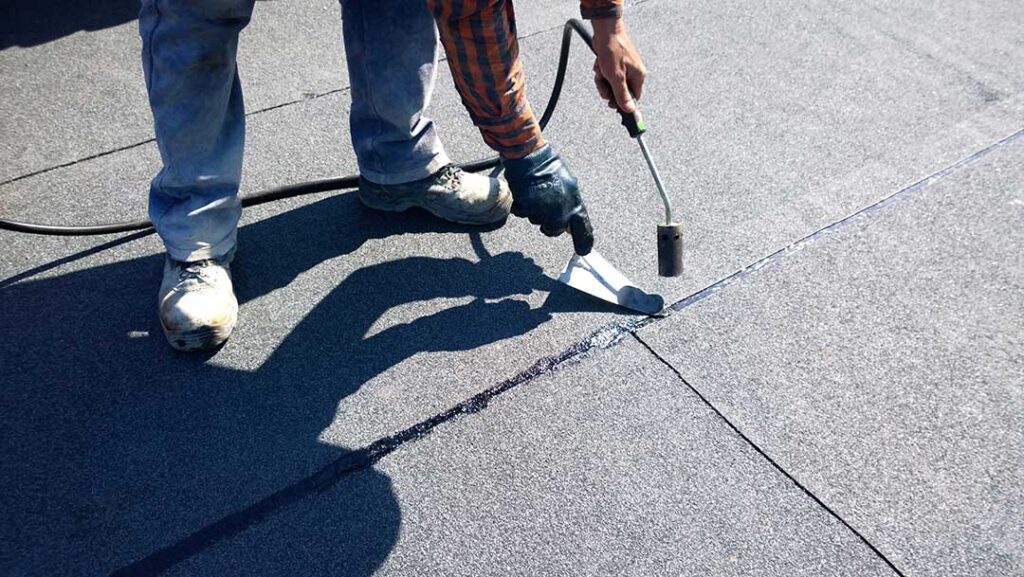
Is Roof Work Ever Truly Safe for Homeowners in Victor, NY?
Generally, minor roof maintenance can be performed safely by homeowners, but most roof work carries significant risks—especially with heights, unstable surfaces, and unstable weather. For residents of Victor, NY, the decision to climb onto a roof should be made carefully, factoring in both personal skill and local conditions.
Victor’s climate brings freeze-thaw cycles, precipitation, and seasonal winds, adding complexity to any roof task. Understanding which jobs are manageable versus those best left alone is crucial for safety and home preservation.
What Types of Roof Work Can Be Safe to Do Yourself?
Small, non-structural tasks that are close to the ground and require minimal time on the roof are typically safest. Examples might include:
- Cleaning leaves and debris from low-sloped porch roofs via a stable ladder.
- Replacing a few easily accessible shingles on a well-maintained, single-story home.
- Resealing exposed nail heads, provided trip hazards and slippery surfaces are avoided.
More complex jobs—such as major leak repairs, full shingle replacement, addressing structural issues, or anything involving steep or high roofs—are rarely safe for non-professionals, given the physical hazards and need for specialized knowledge.
What Seasonal and Local Factors Affect Roof Work Safety?
Victor’s weather is a primary concern. Roof surfaces can be dangerously slick due to rain, snow, frost, or fallen leaves, particularly in fall and winter. Freeze-thaw cycles may cause hidden moisture that isn’t obvious until it’s too late. Even in spring and summer, morning dew and sudden rain can create unsafe conditions quickly.
It’s best to:
- Wait for several consecutive dry, mild-weather days.
- Avoid roof work during windy conditions, which can make balance difficult.
- Perform outdoor inspections from the ground if the roof might be icy or damp.
How Can You Assess Personal Readiness for DIY Roofing?
Even on a clear day, honest self-assessment is vital. Consider the following before planning any roof work:
- Comfort and experience with heights, ladders, and basic tool use.
- Previous experience safely walking on similar roof types (asphalt shingle, metal, etc.).
- Physical agility and balance, especially on sloped surfaces.
- Ability to recognize and handle basic roof materials without causing damage.
Misjudging one’s physical ability or underestimating the demands of the job is a leading cause of accidents among local residents.
What Equipment and Precautions Are Non-Negotiable?
Every DIYer should have the following minimum equipment for even modest roof work:
- A secure, extension-grade ladder set on level, stable ground.
- Non-slip shoes with adequate grip.
- A harness and anchor system for two-story or steep roofs (though even these don’t eliminate risk).
- Heavy-duty gloves and protective eyewear.
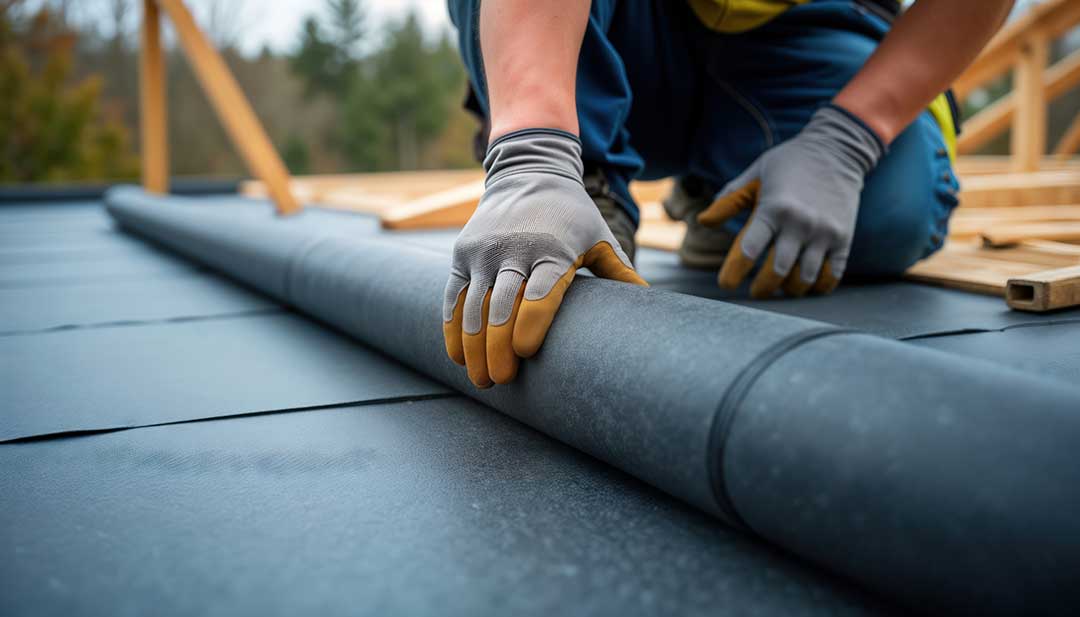
If any of these are unavailable, delay the task—no piece of roof maintenance is worth a serious fall.
What Homeowners Often Overlook About DIY Roof Safety
Many area residents underestimate how quickly weather can change in Victor or how hard it is to carry supplies once they are on the roof. Other overlooked mistakes:
- Not alerting another household member to remain within calling distance during roof work.
- Failing to check power lines, tree limbs, satellite dishes, and aging gutters as potential hidden hazards.
- Assuming that previous experience means all roofs are equally safe—each has unique age, pitch, and footing variables.
Careful planning and humility about one’s limits offer far safer outcomes than overconfidence.
Are There Local Rules or Insurance Considerations to Know?
While Victor rarely enforces residential roof work permits for small tasks, anything that changes rooflines, structures, or involves significant replacement may require approvals. Homeowners should review property insurance policies—some will not cover roof damage or injury due to unpermitted or unsafe work.
Insurance claims could be denied if it’s determined that a non-professional performed complex repairs improperly or disregarded safety.
What Conditions Indicate DIY Roof Work Should Be Avoided?
Even the most capable residents should avoid roof work when:
- The roof is visibly sagging, leaking significantly, or shows signs of compromised structural integrity.
- Any work involves electrical components (solar panels, attic fans, etc.).
- Mold, soft or rotten decking, large patches of missing shingles, or evidence of animal activity (such as nests) is present.
- There are any doubts about how to proceed safely.
In these cases, halting the project is by far the safest choice—both for personal health and the long-term integrity of Victor homes.
