
Can Sports Balls Really Damage Roofs in Victor, NY?
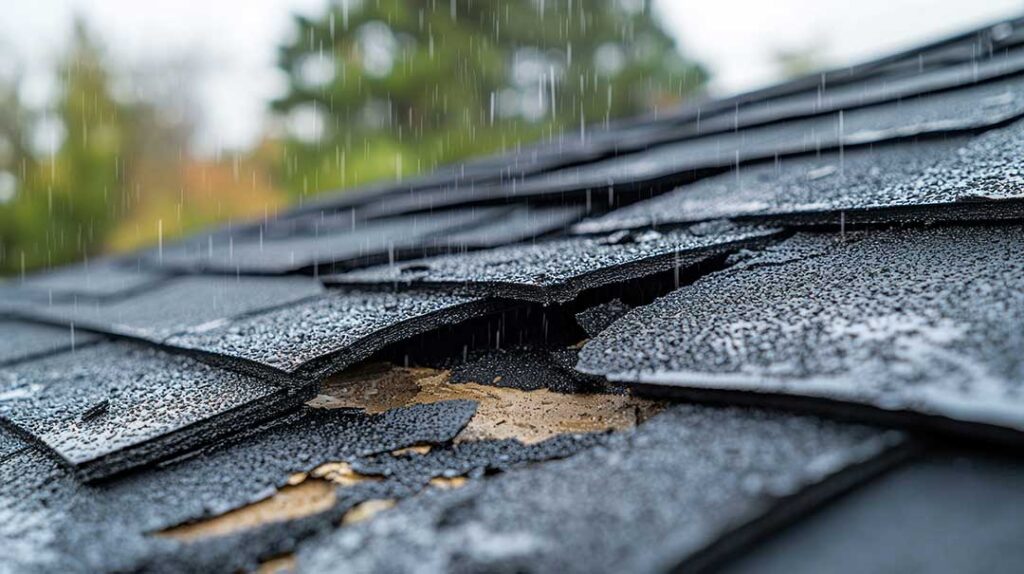
Yes, repeated impacts from sports balls can damage roofing materials, create hidden problems, and lead to costly repairs for area homeowners. In Victor, NY, where many households have yards, driveways, and nearby play areas, accidental ball strikes against roofs are common. Residents often wonder whether these incidents are harmless or something to worry about. The answer depends on the roof's materials, the condition it’s already in, and how frequently the impacts happen.
What Types of Damage Can Sports Balls Cause?
Even lightweight balls can damage shingles, flashing, and other rooftop elements when impacts are hard or frequent.
- Shingle bruising and granule loss: Asphalt shingles, common in Victor, often lose surface granules when struck, reducing their ability to shed water.
- Cracking or punctures: Hard balls like baseballs or lacrosse balls can crack brittle shingles or dislodge tiles.
- Loosened or bent flashing: Balls that strike roof edges or around vent pipes may bend or shift metal flashing, leading to water seepage.
- Gutter and downspout issues: Balls landing in or against gutters can dent, clog, or loosen them, affecting drainage.
Winter weather adds another risk. Shingle brittleness increases with cold, making them more susceptible to cracking or breaking from ball impacts during colder months in Victor.
Are Certain Roofing Materials More Vulnerable?
Yes. The most common types of roofs in the community respond differently to impacts from sports balls.
- Asphalt shingles: Vulnerable to surface granule loss and edge breakage, especially when aged or cold. Frequent ball strikes can speed up roof aging or worsen pre-existing wear.
- Cedar shakes or wood shingles: Splintering and cracking are possible, particularly when wood is dry.
- Slate or tile roofs: Less common in Victor, but highly brittle—one hard strike from a heavy ball can result in expensive, localized breakage.
- Metal roofs: Generally more resistant, but can suffer dents, especially from heavier or high-velocity balls, impacting appearance and sometimes the integrity of the finish.
Many homes in the area have moderately sloped roofs, making them a more likely target during backyard games.
How Can You Tell If a Sports Ball Has Damaged Your Roof?
Visible signs can range from minor scuffing to more significant problems, but some damage may be subtle and only noticeable during close inspection.
Look for:
- Changes in the shingle surface, like bare spots or shiny areas indicating missing granules
- Small cracks or splits, especially along the lower edges of shingles
- Pieces of roofing material or granules collecting in gutters or on the ground
- Bent or raised flashing around chimneys, skylights, or vent pipes
- Dislodged or sagging gutters after an impact
After a game or a direct hit, use binoculars from the ground to examine the area if you can do so safely. Repeated impacts to the same spot increase the likelihood of cumulative damage.
What Problems Can Result from Ignoring Minor Damage?
Small areas of damage may not cause immediate leaks, but they often lead to more severe issues if left untreated, especially given the wide seasonal temperature swings typical in Victor.
Potential consequences include:
- Accelerated aging of shingles, leading to premature replacement
- Water seepage into the roof deck and attic, causing mold or wood rot
- Icy patch formation beneath shingles during freeze-thaw cycles, increasing the risk of water infiltration
- Blocked gutters, contributing to ice dams or poor roof drainage
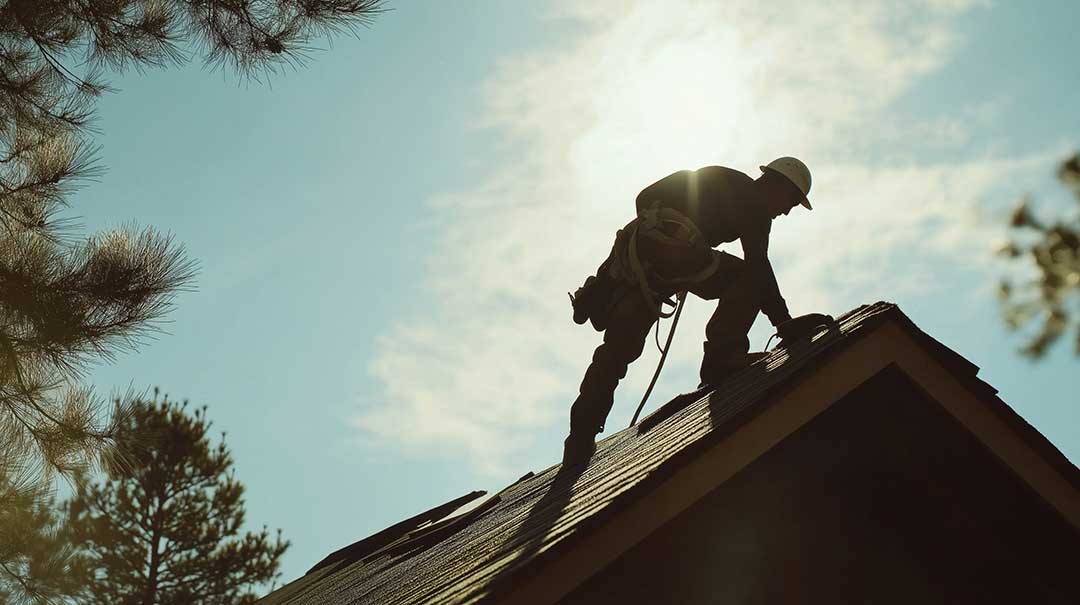
Area households often overlook roof maintenance unless a leak develops, but even small damages from sports balls can set off a chain reaction that ends with moisture problems indoors.
Are There Ways to Prevent or Reduce Roof Damage from Sports Balls?
Ball impacts are sometimes unavoidable, especially for homes next to driveways or active play areas. However, residents can take practical steps to minimize risk:
- Remind children about safe zones for ball games, aiming play away from the house whenever possible
- Install netting or fencing in high-activity areas to intercept stray balls before they reach the roof
- Regularly inspect and, if needed, adjust gutters and downspouts to prevent clogs after balls strike or enter them
- Remove balls from roofs promptly; repeated rolling or bouncing can cause extra wear, especially on a sloped surface
Local yard sizes, fence heights, and lot layouts differ, so effective prevention often involves creative solutions suited to the setting.
Should You Worry About a Single Ball Incident?
Not every single impact will result in noticeable roof damage. Occasional, soft hits from plastic or foam balls are unlikely to cause problems for modern, well-maintained roofing materials. However, repeated impacts or strikes from harder or heavier balls—like baseballs, soccer balls, or basketballs—should be monitored more closely.
If you’re unsure whether an impact was hard enough to cause damage, an occasional check for visible signs is usually sufficient for roofs in good condition. For older roofs or if multiple balls land on the roof frequently, keeping an eye out for gradual changes is especially wise.
Common Misconceptions About Roof Durability and Sports Balls
Many residents believe their roof is “tough enough” to withstand occasional sports play, but roofing is not designed to absorb high-velocity impacts. Even newer roofing systems can develop weak points if the same spot is struck repeatedly.
Another misconception is that only visible leaks matter. In reality, roof damage from sports balls often begins as small flaws, becoming water problems months or years later.
What’s the Safest Way to Remove a Ball from the Roof?
Climbing onto the roof to retrieve balls should be avoided unless you have safe, stable equipment and experience with heights. Many prefer using a long broom, pole, or even a leaf blower to nudge the ball down from the ground level, reducing the risk of slip and fall accidents. Avoid using heavy tools or throwing objects up, which may cause more damage than the ball itself.
When weather conditions are icy, wet, or windy—conditions common during the Victor winter and spring—removing the ball can usually wait until safer circumstances or until a more experienced individual is available.
