
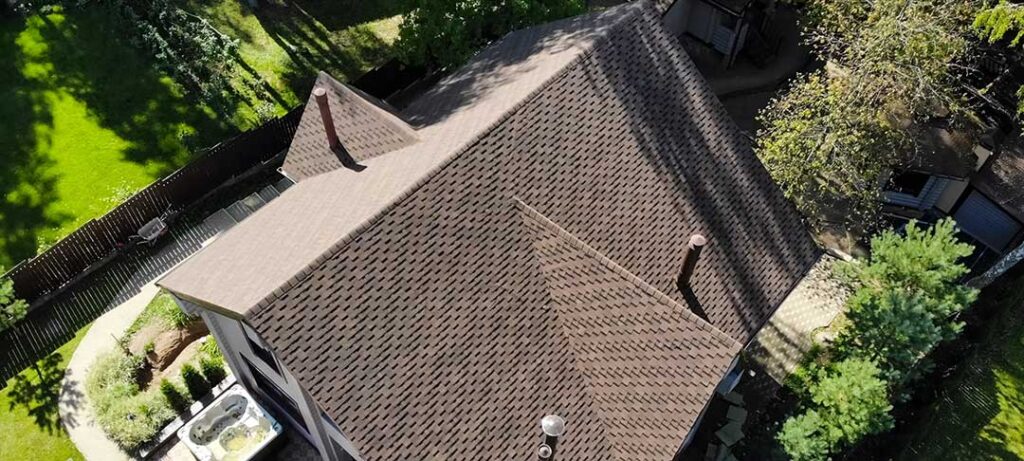
What counts as a roofing emergency?
A roofing emergency is damage that allows water, wind, debris, or unsafe materials to threaten the building or its occupants. A small ceiling stain may require prompt attention, but active water entry, a partially detached roof section, or a large opening should be treated as urgent.
Common emergency situations include:
- Water pouring through a ceiling during rain
- A tree limb or other heavy object striking the roof
- Shingles, flashing, or roofing panels blown loose
- A sagging section of roof or ceiling
- Daylight visible through the roof from inside an attic
- A chimney, vent, or skylight damaged during a storm
- Electrical fixtures or wiring exposed to water
- Ice-related damage followed by leaking during a thaw
In Victor, NY, roof emergencies can develop during several types of weather. Heavy rain, strong wind, freeze-thaw cycles, lake-effect conditions in the broader region, and wet snow can all place stress on roofing materials and drainage systems.
What should residents do first?
The first priority is protecting people, not saving belongings or inspecting the roof. Move away from sagging ceilings, falling debris, active electrical hazards, and areas where water is pooling near outlets, light fixtures, or appliances.
If water is entering, place containers beneath drips only if doing so does not require standing under a bulging ceiling. Move furniture, electronics, rugs, and other belongings out of the affected area when it is safe.
If a ceiling is swollen or sagging, do not puncture it to release water. A large amount of trapped water can fall suddenly, and the ceiling material may already be weakened.
If electrical components are wet, avoid touching switches or appliances in that area. Shut off power only if the electrical panel can be reached safely from a dry location. If there is smoke, sparking, or a burning odor, leave the building and contact emergency services.
Is it safe to inspect the roof during a storm?
No. A roof should not be climbed during rain, snow, high winds, lightning, or icy conditions. Wet shingles become slippery, and wind can make ladders, tarps, branches, and loose roofing materials dangerous.
A ground-level inspection can provide useful information without creating another emergency. Look for:
- Missing or displaced shingles
- Roofing pieces in the yard
- A visible hole or torn section
- Fallen branches
- Water running from unusual locations
- Gutters pulling away from the roofline
- A ridge, roof plane, or eave that appears uneven
Photographs taken from the ground may help document the damage. Avoid walking beneath visibly unstable areas, especially after a tree impact.
How can temporary protection reduce water damage?
Temporary protection is useful only when it can be installed without climbing onto an unsafe roof. A heavy-duty tarp may reduce additional water entry, but it must be secured carefully and should not be placed near power lines or unstable branches.
A tarp that is loose, undersized, or fastened by climbing onto a damaged roof can create more risk than protection. Improvised materials such as blankets, cardboard, or plastic bags generally absorb water or tear quickly and should not be treated as a lasting repair.
Inside the home, use plastic containers and towels to control limited dripping. Do not overload ceilings, shelves, or furniture with water-filled containers. If water is spreading across a large area, limit access to the room and document the conditions from a safe location.
Temporary measures are not repairs. They are intended to slow further damage until the roof can be properly assessed and restored.
What information should be documented?
Clear documentation helps with insurance records, landlord communication, future maintenance decisions, and comparisons between the original damage and later repairs.
Record:
- The date and approximate time the damage was noticed
- Weather conditions, including high wind, heavy rain, snow, or falling branches
- Interior locations showing stains, dripping, bubbling paint, or damaged materials
- Exterior damage visible from the ground
- Damaged furniture, flooring, insulation, or personal property
- Any temporary steps taken to limit water entry
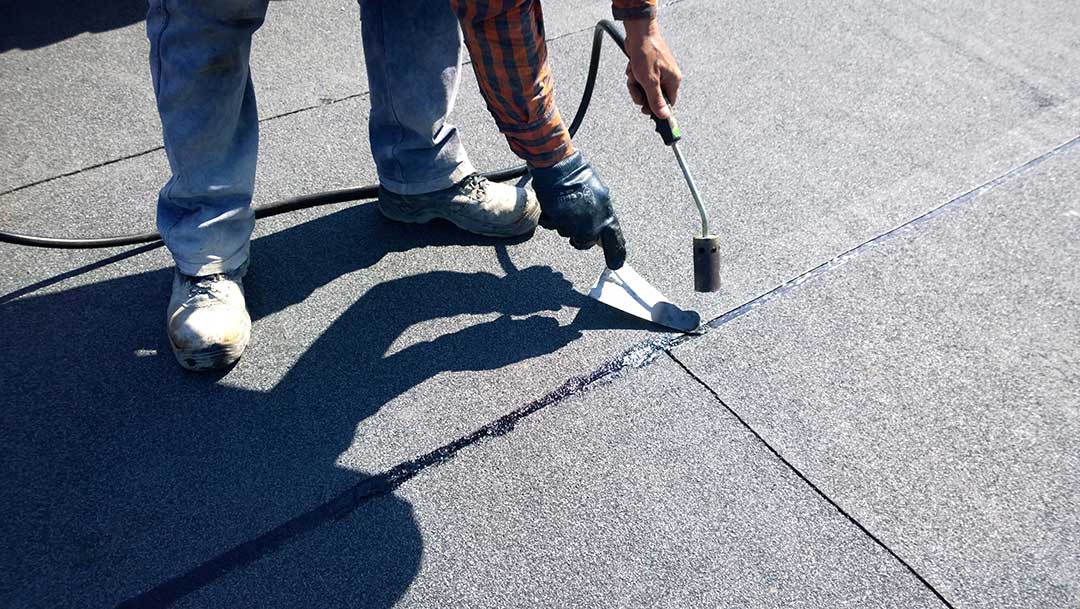
Photographs should show both close details and wider views that establish where the damage occurred. Keep receipts for emergency materials, temporary lodging, debris removal, or other related expenses. Avoid discarding damaged materials until documentation and any required inspection are complete, unless they present an immediate health or safety hazard.
Should homeowners remove wet insulation or ceiling materials?
Wet materials should not be removed automatically. Some materials can be handled safely, while others may conceal electrical hazards, sharp debris, structural damage, or contamination.
Water-damaged drywall, insulation, and ceiling materials may need removal if they remain wet, but the decision depends on the extent and source of the water. Contaminated water from a backed-up drain or other unsanitary source requires additional precautions.
Mold can begin developing when damp materials remain wet for an extended period. Prompt drying is helpful, but fans should not be used near exposed wiring or standing water. Fans can also spread contaminants if the water source is unsanitary.
A roof leak may appear in one room while the actual entry point is farther uphill along the roof. Painting over a stain or replacing only the visible ceiling surface can conceal the problem without stopping it.
How do winter conditions affect emergency roof problems?
Winter emergencies often involve more than missing shingles. Snow can hide damaged materials, while ice can block drainage paths and allow water to collect near roof edges, valleys, chimneys, and other penetrations.
Do not climb onto an icy roof to remove snow or break apart ice. Shovels, axes, and other tools can damage roofing materials, gutters, flashing, and underlayment. Falling ice can also injure people or damage property below.
Heavy snow near roof edges, unusual cracking sounds, interior door or window sticking, and visible ceiling movement may indicate structural stress. If the roof or ceiling appears to be shifting, leave the affected area and seek immediate safety guidance.
Freeze-thaw weather can also reveal leaks that were not apparent during colder periods. Water may enter through small openings, freeze overnight, and expand the gap before thawing and appearing indoors.
When is emergency help necessary?
Emergency assistance is appropriate when the building may be unsafe, water is near electrical systems, a large opening exposes the interior, or a roof section is unstable. A qualified roofing or building professional may be needed to assess structural damage, install safe temporary protection, or determine whether more extensive repairs are necessary.
Professional evaluation is especially important after:
- Tree or large-branch impact
- Fire, lightning, or electrical damage
- A partial roof collapse
- Significant interior water damage
- Damage affecting a chimney, skylight, or roof-mounted equipment
- Repeated leaking after a temporary covering
- Suspected structural movement
Residents should also check the terms of their property insurance policy and follow its documentation requirements. Policies differ, and coverage may depend on the cause of damage, maintenance history, exclusions, and the steps taken to prevent additional loss.
What should be checked after the immediate emergency?
Once conditions are safe, the roof system should be evaluated beyond the obvious leak. Water may have reached insulation, rafters, ceiling framing, wall cavities, or electrical components. Gutters and downspouts may also be damaged or blocked, allowing additional water to collect near the foundation.
A proper follow-up review should consider the roof covering, flashing, valleys, penetrations, drainage, attic ventilation, and interior moisture. Repairs that address only a few visible shingles may not resolve damage beneath the surface.
Keeping a simple record of roof age, past leaks, storm dates, repairs, and recurring problem areas can help identify patterns. In a community with snowy winters and repeated freeze-thaw conditions, early attention to small leaks and loose materials may reduce the chance that a minor defect becomes an emergency.
