
What Does the Roofing Process Involve for Victor, NY Residents?
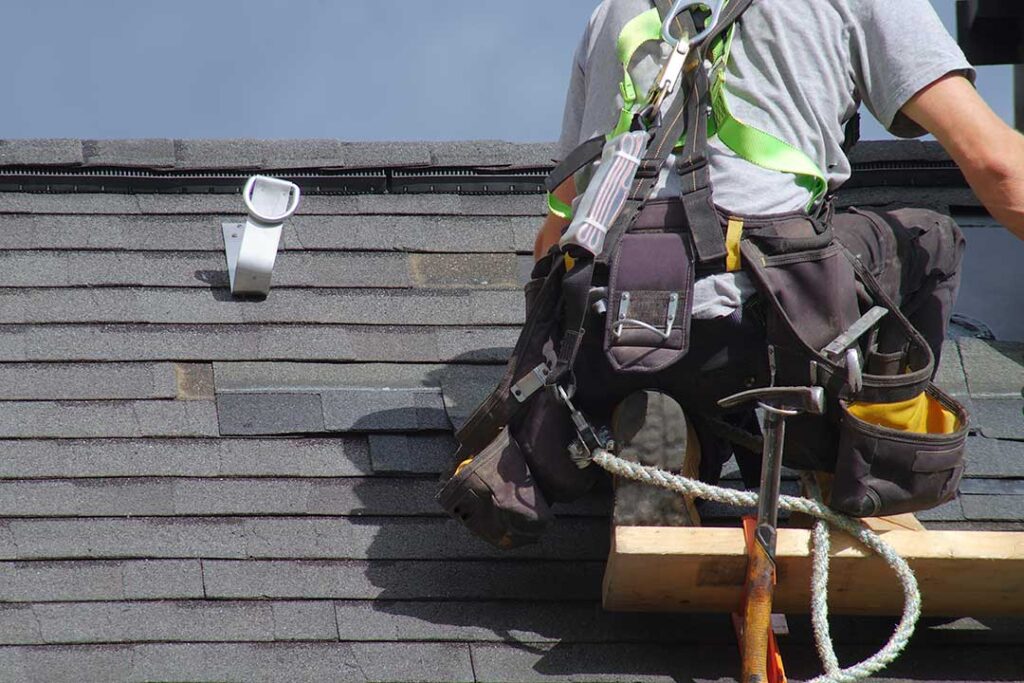
The roofing process in Victor, NY is a structured series of steps designed to ensure a durable, weather-resistant roof, adapted for the area's climate. This process goes beyond installing new shingles; it includes preparation, assessment, removal, repair, installation, and cleanup. Each phase is important for long-term protection and property value, especially given the region’s seasonal weather swings.
Why Do Area Households Need Roofing Replacement or Repairs?
Roofing work becomes necessary due to weathering, leaks, age, or visible damage. In the local community, roofs endure a distinct range of conditions—from heavy snow loads and spring rainstorms to humid summers. Over time, these factors can lead to:
- Shingle curling, missing shingles, or granule loss
- Water stains on ceilings or attic surfaces
- Ice dam formation in winter
- Sagging rooflines
Most roofs in Victor, NY require replacement every 20 to 30 years, though inspections should be more frequent. Even newer roofs may need attention after major storms.
How Does a Professional Roofing Project Usually Start in the City?
Roofing projects typically begin with a detailed inspection to determine the condition of the existing roof. The inspector checks for underlying water damage, the integrity of roof decking, and the presence of mold or improper ventilation. Once concerns are identified, a plan is developed to address each issue during installation.
Local building codes also play a role. Permits are generally required before work begins, and the process must comply with municipal guidelines on materials and installation methods.
What Are the Key Steps in Residential Roof Installation or Replacement?
A typical roofing project in the area follows structured steps to ensure safety, quality, and compliance:
1. Preparation and Protection
Protective tarps are placed over landscaping, siding, and windows. Driveways may be covered to safeguard against falling debris. This preparation reduces the chance of incidental damage.
2. Removal of the Old Roof
Existing shingles, underlayment, and flashing are removed to expose the structural deck. Removing all layers allows for a thorough inspection and prevents new problems being covered up.
3. Deck Inspection and Repairs
The exposed roof deck is inspected for rot, water intrusion, or soft spots. Damaged sections are replaced or reinforced. This step is critical in Victor’s climate, where moisture penetration can lead to major structural problems if left unchecked.
4. Underlayment and Water Barrier Installation
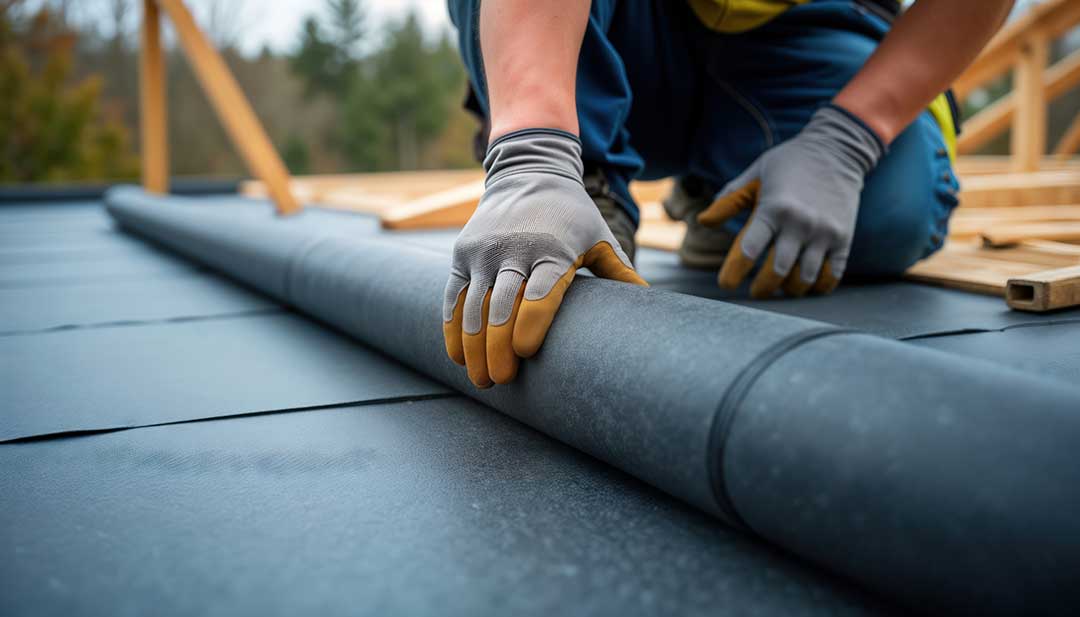
Waterproof underlayments such as ice and water shield are installed in vulnerable areas, especially at eaves and valleys. Felt or synthetic underlayment covers the rest of the deck to provide a moisture barrier under the shingles.
5. Shingle or Roofing Material Installation
Shingles, tiles, or metal panels are installed according to manufacturer specifications and local codes. Special attention is given to valleys, ridges, and roof penetrations (like vents and chimneys) to prevent leaks.
6. Flashing and Ventilation Upgrades
Flashing (thin metal strips) is added around chimneys, skylights, and edges to direct water away from critical seams. Proper attic ventilation is checked or improved to reduce the risk of ice dams and prolong roof life.
7. Final Cleanup and Inspection
The site is thoroughly cleaned, with nails and debris removed. A final inspection is conducted to ensure all installations meet code and function as designed.
How Long Does Roofing Take in Victor?
A residential roof replacement in the area typically takes one to three days, depending on the size and complexity of the roof, weather delays, and any discovered damage. Unpredictable weather—such as spring downpours or late autumn snow—occasionally pauses progress.
What Should Homeowners Watch for During the Project?
Even if not handling the installation directly, local homeowners can stay informed by:
- Asking about the materials and methods being used, especially regarding ice/water barriers
- Ensuring that all required permits have been obtained and are visible
- Watching for proper yard protection and safe removal of debris
- Noting whether attic spaces are checked for ventilation and moisture issues
Common misconceptions include assuming all roofers follow the same quality standards, or that all roofs can be “layered” over old shingles. In this region, full removal is almost always better for long-term performance.
How Does the Victor Climate Affect Roofing Choices and Timing?
The local climate—characterized by wet springs, humid summers, and cold, snowy winters—directly shapes roofing practices. Many households choose shingles rated for enhanced wind and algae resistance, as moisture and organic growth can accelerate wear.
Timing also matters:
- Spring and early fall are favored for re-roofing because of moderate temperatures
- Summer humidity can affect some material installations, while winter snow rules out most projects
Are There Specific Local Regulations or Challenges?
City codes often specify how many shingle layers can be present on a roof, the type of underlayment required, and how waste disposal must be handled. Waste from re-roofing usually has to be hauled to approved disposal facilities, so area households should expect temporary dumpsters at their homes.
Historic districts or neighborhood associations may also have additional requirements regarding color, material, or appearance.
What Are Overlooked but Important Maintenance Steps After a New Roof?
Once the new installation is complete, ongoing maintenance helps preserve roof life, especially in Victor’s variable weather. Locals often forget:
- Checking and cleaning out gutters seasonally
- Inspecting the attic for signs of leaks, particularly after storms or heavy snow melt
- Watching the eaves for ice dams in winter
- Monitoring ventilation and insulation to keep attic moisture in check
Small, regular actions can minimize the chances of costly repairs later.
